
Blog Details Home / Blog Details
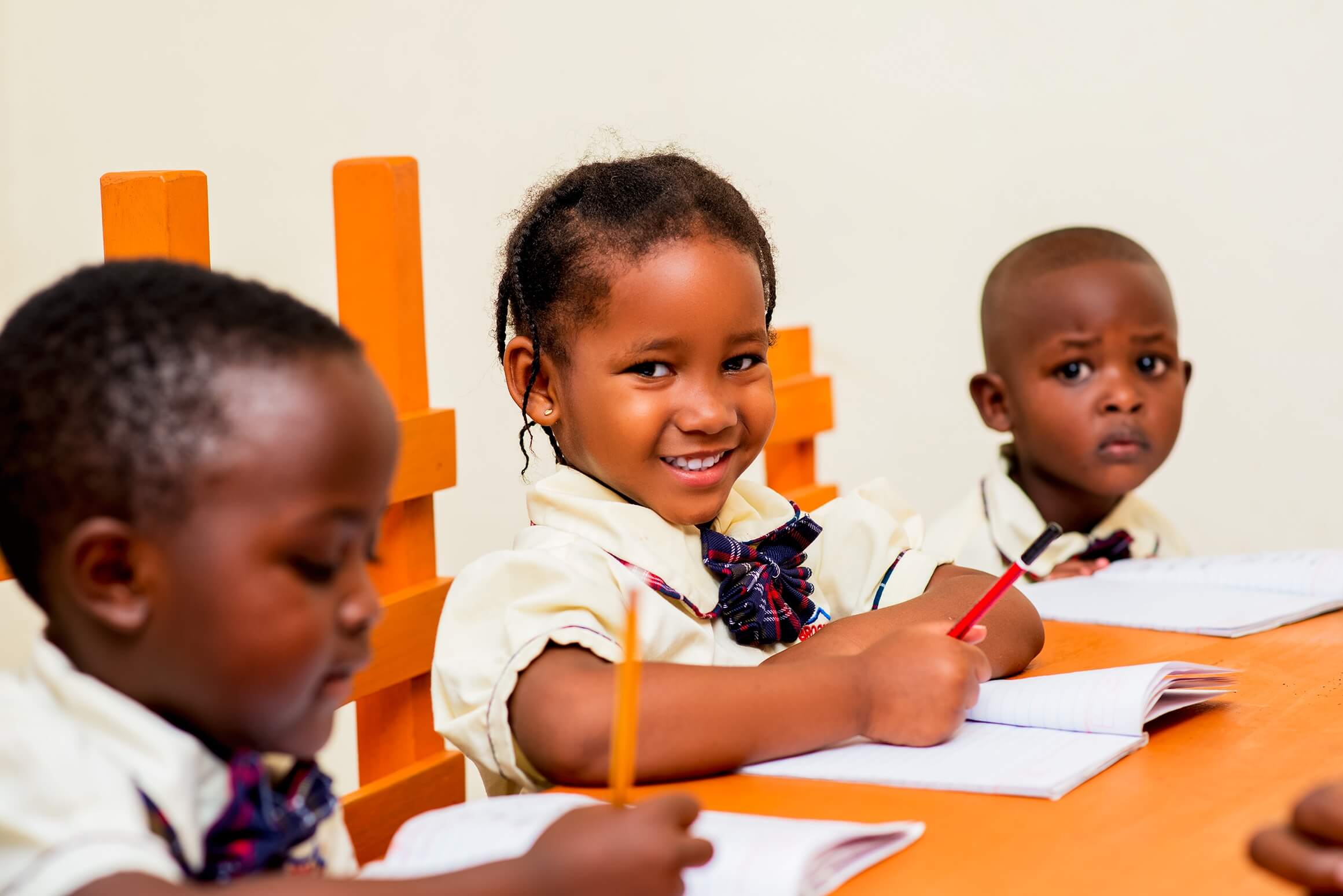
Bridging Worlds: How Brooklyn Academy Elementary School is Redefining Education in Uganda
KAMPALA, UGANDA – In an era where the global landscape is shifting toward innovation and critical thinking, one local institution is making waves by rewriting the script on primary education. Brooklyn Academy Elementary School has emerged as a beacon of academic transformation, pioneering a "hybrid" teaching model that blends the rigor of the Ugandan National Curriculum with world-class international pedagogical approaches.
The school’s mission is clear: to produce students who are not only prepared to excel in national examinations but are also equipped with the soft skills, creativity, and analytical prowess required on the global stage.
The Hybrid Innovation
For decades, the debate in Ugandan education has often been polarized between the traditional National Curriculum—known for its depth and structure—and international systems (such as the British or IB models), which prioritize inquiry-based learning. Brooklyn Academy has found the "sweet spot" between the two.
While the school strictly adheres to the standards set by the Ministry of Education and Sports and the Uganda National Examinations Board (UNEB), the delivery of this content is what sets them apart. Instead of the traditional "chalk and talk" rote memorization method, Brooklyn Academy integrates international strategies such as:
- Inquiry-Based Learning: Encouraging students to ask "why" and "how" rather than just "what."
- Differentiated Instruction: Tailoring teaching methods to meet the diverse learning styles of individual students within the same classroom.
- Technology Integration: Using digital tools to bring abstract concepts in the national syllabus to life.
Transforming the Classroom Experience
"We realized that the world is no longer looking for people who can simply recite facts," says the Head of School at Brooklyn Academy. "They are looking for problem solvers. By integrating international teaching frameworks—like collaborative group projects and hands-on experiments—into our local curriculum, we are giving our children a competitive edge without losing our national identity."
The results are visible in the classrooms. In a standard Social Studies or Science lesson, you won’t find rows of silent children copying from a blackboard. Instead, you might find students engaged in a debated simulation or using local materials to build models that explain scientific functions.
A Blueprint for the Future
Brooklyn Academy’s success comes at a time when Uganda is looking to modernize its educational outcomes to meet the demands of the 21st-century workforce. By proving that international standards of teaching can be successfully applied to the national curriculum, the school is serving as a blueprint for what modern Ugandan education can look like.
As they continue to expand their reach, Brooklyn Academy Elementary School remains committed to its core philosophy: that every child in Uganda deserves an education that is locally rooted but globally relevant.
For the students at Brooklyn Academy, the future isn't just something they are waiting for—it’s something they are being taught to build, one hybrid lesson at a time.
Leave A Comment
Sing in to post your comment or singup if you don’t have any account.

Brooklyn Academy is an elementary school that offers a hybrid teaching approach combining both the local curriculum and International teaching modules. We are located in an ambient environment along Kampala - Mityana Road. We focus much on nurturing disciplined , academically sound global citizens.
0 Comments